The 2024/25 Champions League draw has been completed, and the new "Swiss model" format has altered the entire dynamic of the renowned competition.

Here's what we learned from it.
There are big games everywhere you look.

One of the most common criticisms leveled at the previous Champions League system was how simple the group stage was, with the two "big clubs" usually progressing with little difficulty, with one or two significant exceptions in recent years.
On the opposite end of the spectrum, supporters of the Super League desired to see just the largest and best games between the biggest teams. This new model strikes a balance between tiny clubs and blockbuster clashes.
The league format features a rematch of the previous three finals, with Real Madrid facing Borussia Dortmund and Liverpool, as well as a rematch of the 2022 showdown between Inter and Manchester City.
On the opposite end of the spectrum, supporters of the Super League desired to see just the largest and best games between the biggest teams. This new model strikes a balance between tiny clubs and blockbuster clashes.
The league format features a rematch of the previous three finals, with Real Madrid facing Borussia Dortmund and Liverpool, as well as a rematch of the 2022 showdown between Inter and Manchester City.
There is also another matchup between Bayern Munich and Barcelona, with the German giants astonishingly winning the last five meetings between the two teams 19-2 on aggregate, including that 8-2 win.
Elsewhere Milan, the seven-time champions, will face Real and Liverpool, while Arsenal and PSG will meet for the third time, and Juventus will face City.
Atalanta and Bayer Leverkusen will be two of the teams trying to upset the established order, and they will have an excellent opportunity to do so in the early stages.
Elsewhere Milan, the seven-time champions, will face Real and Liverpool, while Arsenal and PSG will meet for the third time, and Juventus will face City.
Atalanta and Bayer Leverkusen will be two of the teams trying to upset the established order, and they will have an excellent opportunity to do so in the early stages.
Even if there are two extra games in the "league" and a knockout stage to get to the usual last 16, it should provide for some interesting watching between mid-September and the end of January.
Liverpool had one of the most challenging paths.
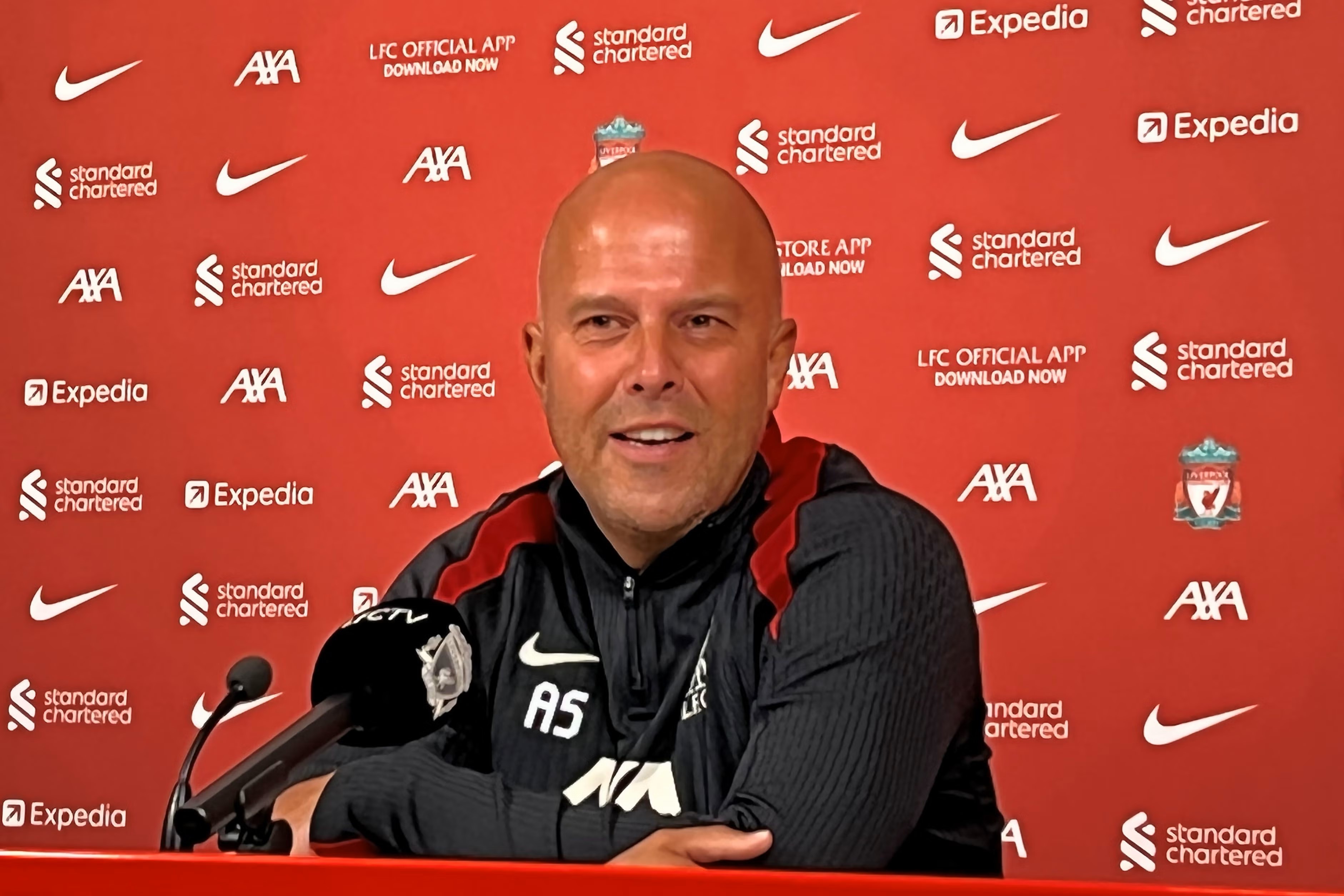
Liverpool has undoubtedly had the most difficult path to the final of any of the Pot 1 clubs and likely winners of the campaign.
There is a home game against now-regular opponents Real Madrid, who clearly have the Reds' number, as well as a trip to RB Leipzig, who have kept the most of their talents this summer and are notoriously difficult to beat.
From Pot 2, Liverpool received the worst possible teams in Bundesliga champions Bayer Leverkusen (home) and seven-time European Cup winners Milan (away), and the pattern continued in Pots 3 and 4, with the Reds drawn against Lille, PSV, Bologna, and Girona.
There is a home game against now-regular opponents Real Madrid, who clearly have the Reds' number, as well as a trip to RB Leipzig, who have kept the most of their talents this summer and are notoriously difficult to beat.
From Pot 2, Liverpool received the worst possible teams in Bundesliga champions Bayer Leverkusen (home) and seven-time European Cup winners Milan (away), and the pattern continued in Pots 3 and 4, with the Reds drawn against Lille, PSV, Bologna, and Girona.
If Arne Slot, who has only managed six Champions League games, is to follow in the footsteps of former Liverpool managers, most recently Jürgen Klopp, he will have to work hard, especially since the last 16 are now seeded, meaning a low ranking could result in another difficult draw.
Xabi returns home.

As previously stated, Bayer Leverkusen will travel to Anfield to face Liverpool in the "league" phase, returning to one of many homes for manager Xabi Alonso.
Alonso, of course, was strongly connected with replacing Klopp before deciding to stay with the Bundesliga champions ahead to Slot's approach and appointment, making it a much more exciting event than usual.
The Basque, who is just in his third season as manager, has never managed in Europe's premier tournament, but he did lead Leverkusen to the Europa League final last season and will fancy his chances of leading his team well into the knockout stages.
Alonso, of course, was strongly connected with replacing Klopp before deciding to stay with the Bundesliga champions ahead to Slot's approach and appointment, making it a much more exciting event than usual.
The Basque, who is just in his third season as manager, has never managed in Europe's premier tournament, but he did lead Leverkusen to the Europa League final last season and will fancy his chances of leading his team well into the knockout stages.
His path to the final might take him back to two of his old "homes," as well as clubs he has been associated with: Bayern Munich, whose home stadium, the Allianz Arena, will host the final, and Real Madrid, whom he must defeat once again this year.
His and Leverkusen's improvement will be closely watched this year, as they are now both a potential title challenger and a target for other teams.
His and Leverkusen's improvement will be closely watched this year, as they are now both a potential title challenger and a target for other teams.
The new 'Battle of Britain'.

Clashes between one of the Old Firm sides and one of the best from the Premier League were once a near-staple of the Champions League, with Parkhead becoming a place to fear, and a ground on which Sir Alex Ferguson's all-conquering Manchester United side failed to win twice in the late 2000s.
However, not since the blue side of Manchester faced Celtic in Pep Guardiola's first season in command (2016/17) have we seen the finest of Scotland face off against one of the greatest of England.
But the wait is over, as Aston Villa will host Celtic in one of the eight "league" games. With Villa returning to Europe's top table for the first time since winning the whole thing last season, and Celtic anxious for continental success once more, it promises to be a cracker.
Throw in the fact that Martin O'Neill managed both clubs and Stiliyan Petrov played for both, among a slew of other things, and it's one of the first round games.
However, not since the blue side of Manchester faced Celtic in Pep Guardiola's first season in command (2016/17) have we seen the finest of Scotland face off against one of the greatest of England.
But the wait is over, as Aston Villa will host Celtic in one of the eight "league" games. With Villa returning to Europe's top table for the first time since winning the whole thing last season, and Celtic anxious for continental success once more, it promises to be a cracker.
Throw in the fact that Martin O'Neill managed both clubs and Stiliyan Petrov played for both, among a slew of other things, and it's one of the first round games.
New teams and matches.
.png)
Every season of the Champions League features a new team or two, but this year feels a little different, with Villa joining Girona, Bologna, Brest, and others as first-time entrants in the post-1992/rebranded competition.
It brings a new flavor to the competition while also allowing for some unique and intriguing match-ups that would not have been conceivable if Florentino Pérez, the Premier League's "Big Six," Juventus, and their supporters had their way in 2021.
Los Blancos, Pérez's champions, will play Brest and arch-rivals Barcelona on what promises to be two of the most important nights in the Ligue 1 club's recent history.
It brings a new flavor to the competition while also allowing for some unique and intriguing match-ups that would not have been conceivable if Florentino Pérez, the Premier League's "Big Six," Juventus, and their supporters had their way in 2021.
Los Blancos, Pérez's champions, will play Brest and arch-rivals Barcelona on what promises to be two of the most important nights in the Ligue 1 club's recent history.
Girona and Bologna both face Liverpool, while LaLiga teams face PSG, Arsenal, and Milan.
Villa, in addition to their match against Celtic, have two high-profile games against Bayern Munich and Juventus to prepare for.
Let's hope that some of these sides spark some controversy and breathe new life into this new format.
Villa, in addition to their match against Celtic, have two high-profile games against Bayern Munich and Juventus to prepare for.
Let's hope that some of these sides spark some controversy and breathe new life into this new format.
Comments
Post a Comment